
Zhejiang Sowell Electric Co., Ltd. highlights the rising role of Solar Photovoltaic Cable as global solar installations accelerate and DC transmission demands increase across renewable energy projects.
The solar power industry is entering a new stage where system efficiency, durability, and long-term reliability are becoming key considerations. While solar modules and inverters often receive the most attention, cable systems quietly influence the overall performance of photovoltaic projects. According to market observations, DC cables used in solar applications are experiencing strong growth, with the Solar Photovoltaic Cable market projected to expand at a 12.3% CAGR as demand for renewable energy infrastructure continues to rise.
For many solar projects, the challenge is not only generating electricity but also ensuring that the energy can be transmitted safely under outdoor conditions for decades. Exposure to sunlight, temperature changes, humidity, and mechanical stress creates higher requirements for cable materials and design.
The rapid expansion of rooftop solar, commercial photovoltaic systems, and utility-scale solar farms is creating a larger need for specialized DC cable solutions. Unlike conventional electrical cables used indoors, photovoltaic cables must operate continuously in challenging environments.
Modern solar systems require cables that can maintain stable electrical performance while resisting environmental factors such as ultraviolet radiation, moisture, and corrosion. This shift has encouraged the development of advanced cable structures, including tinned copper designs and tinned CU-AL alloy photovoltaic cables.
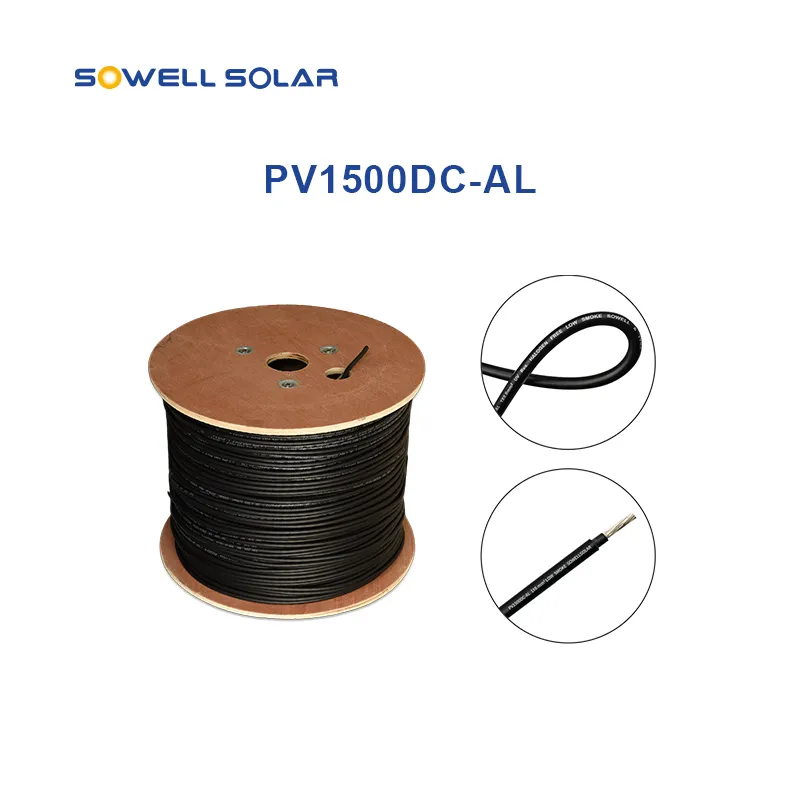
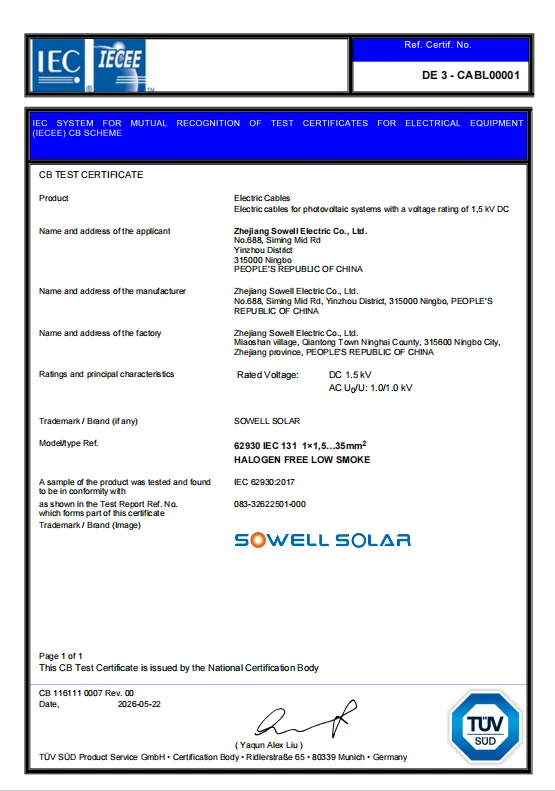
Zhejiang Sowell Electric Co., Ltd., which entered the solar industry in 2006, has developed extensive experience in photovoltaic cable technology. The company has participated in product certification processes involving standards such as 2 PFG 1161, DIN V VDE V 0126-3, EN50521, and 2 PFG 1169, supporting the continuous improvement of product reliability.
In a photovoltaic system, solar panels generate direct current (DC) electricity. This electricity must travel through cables before reaching inverters, batteries, or other energy management equipment. Any energy loss, insulation failure, or material degradation can affect system efficiency.
The latest generation of Solar Photovoltaic Cable products is designed to address several common challenges:
| Solar Cable Challenge | How Modern DC Cable Technology Responds |
|---|---|
| Long-term outdoor exposure | UV-resistant materials help maintain cable performance under sunlight |
| Extreme weather conditions | Weather-resistant insulation supports operation in different climates |
| Energy transmission loss | Optimized conductor structures improve electrical efficiency |
| Safety requirements | Certified materials help reduce risks during long-term operation |
| Complex installation environments | Flexible cable designs simplify system connections |
These improvements are particularly important as solar projects expand into areas with higher temperatures, stronger sunlight, or more demanding environmental conditions.
As photovoltaic systems become larger and more connected, international standards play an increasingly important role. Standards such as IEC62930, EN50618, UL4703, and IEC62852 provide technical guidelines for cable safety, insulation performance, and durability.
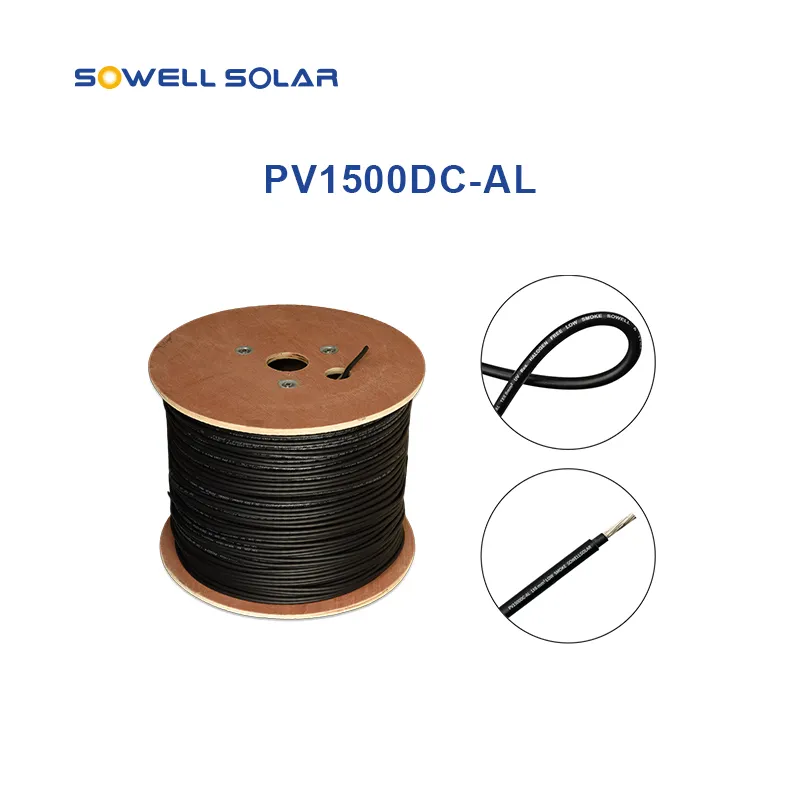
Sowellsolar products, including H1Z2Z2-K, PV1-F, PV2000DC, TCA, and SSPV-00X series, are developed according to relevant photovoltaic cable standards. The company focuses on key performance factors including current resistance, irradiation resistance, and crosslinking quality to maintain consistent product performance.
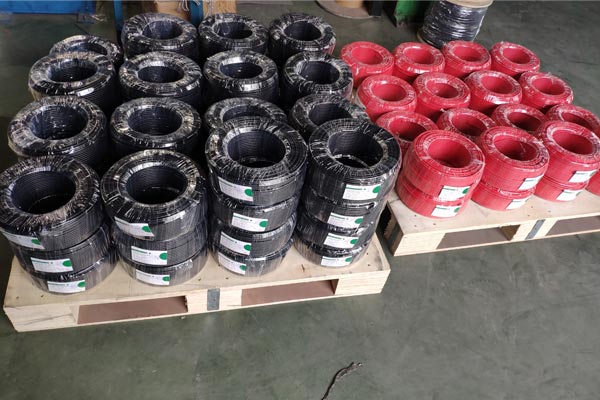
The company currently operates production facilities in Huzhou and Ningbo, China, with a combined production area of approximately 50,616 square meters. With 11 production lines, its daily production capacity reaches more than 300 kilometers of solar cables, supporting the growing needs of global photovoltaic applications.
Although Solar Photovoltaic Cable may appear similar from the outside, photovoltaic DC cables are specially designed for solar environments.
| Feature | Traditional Electrical Cable | Photovoltaic DC Cable |
|---|---|---|
| Main usage | Indoor or general electrical systems | Solar power generation systems |
| Outdoor durability | Depends on application | Designed for long-term outdoor exposure |
| UV resistance | Usually limited | Enhanced protection against sunlight |
| Temperature tolerance | Standard operating range | Suitable for wider temperature changes |
| Application lifespan | Varies by environment | Designed for long-term solar operation |
This difference explains why solar developers and system designers increasingly choose dedicated photovoltaic cable solutions rather than general-purpose electrical cables.
The growth of solar energy is bringing several changes to cable technology. Higher-power modules, energy storage integration, and larger photovoltaic installations are increasing expectations for cable performance.
One important trend is the combination of solar generation and energy storage systems. As batteries become more common, cable systems need to support safer and more efficient connections between photovoltaic panels, storage equipment, and power conversion units.
Another trend is material innovation. Products such as tinned copper PV cables and tinned CU-AL alloy PV cables are gaining attention because they offer improved corrosion resistance and reliable conductivity for demanding applications.
The development of compact solar systems for residential and commercial buildings is also encouraging more flexible and easy-to-install cable designs.
The expansion of photovoltaic power is not only about installing more solar panels. Every component, from connectors to cables, contributes to the stability and efficiency of the entire system. Reliable DC transmission helps reduce energy loss and supports the long operating life expected from modern solar installations.
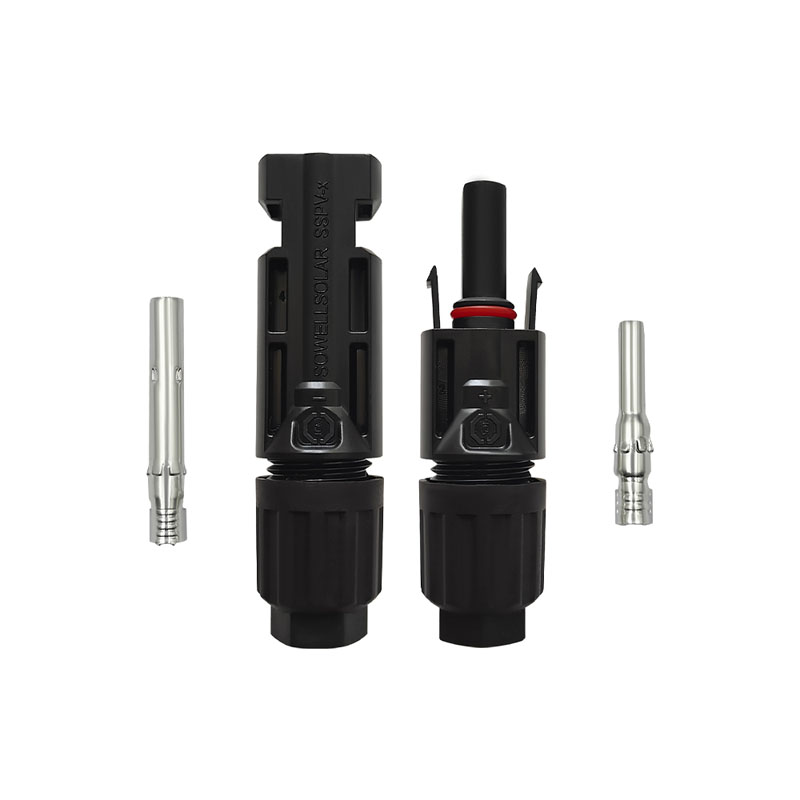
With years of experience in photovoltaic components, Zhejiang Sowell Electric Co., Ltd. continues to focus on improving solar connection technologies and meeting industry requirements. Its Solar Photovoltaic Cable solutions, including H1Z2Z2-K, PV1-F, PV2000DC, TCA, PV Connector, and PV Junction Box products, reflect the company’s commitment to dependable photovoltaic applications and the evolving needs of solar energy systems.